
Forward warehousing is a proactive inventory strategy that positions ingredients closer to manufacturing facilities to reduce sourcing risk, stabilize supply chains, and protect production schedules. According to the FDA Food Safety Modernization Act guidance, preventive controls and supply chain oversight now play a central role in protecting food safety and operational continuity. As global freight volatility, supplier consolidation, and climate disruption continue to affect ingredient markets, manufacturers that rely solely on extended international supply routes remain vulnerable to costly interruptions.
At One Source Food Solutions, we help food manufacturers reduce ingredient sourcing risk through structured forward warehousing programs and strategic inventory positioning. Instead of reacting to freight bottlenecks or supplier variability, we design distributed inventory models that improve continuity, support regulatory compliance, and strengthen operational resilience. As a result, procurement leaders gain visibility, production teams avoid shutdowns, and brands reinforce their duty of care across the supply chain.
If your organization faces unstable lead times, repeated delays, or rising exposure to ingredient volatility, forward warehousing may provide the protection your production schedule demands. Contact One Source Food Solutions today to discuss how a resilient inventory strategy can safeguard your ingredient sourcing program and restore supply chain confidence.

How Forward Warehousing Strengthens Ingredient Sourcing Control
Forward warehousing delivers the greatest impact when inventory sits near primary logistics corridors and national freight gateways. Therefore, food manufacturers that align forward inventory placement with major port infrastructure reduce transit volatility and stabilize ingredient sourcing operations. Moreover, strategic positioning supports faster replenishment cycles and lowers exposure to international congestion.
According to the US Department of Transportation Freight Overview, port congestion and intermodal transfer delays continue to pressure national freight networks. Consequently, manufacturers that depend on long-distance shipping without forward warehousing remain vulnerable to cascading supply interruptions. By contrast, distributed ingredient storage near port-adjacent distribution hubs strengthens operational control and mitigates risk before disruption escalates.
Why Port Adjacent Forward Warehousing Reduces Ingredient Lead Time Risk
When we place inventory near high-volume entry points such as Los Angeles Long Beach, Houston, Savannah, or New York New Jersey, we shorten inland transport distances. As a result, we reduce dependency on multi-state freight transfers and long-haul carrier availability.
Furthermore, forward warehousing near major distribution corridors improves supplier response time. Instead of waiting for overseas replenishment to clear multiple checkpoints, production facilities access regionally staged safety stock. Therefore, manufacturers protect throughput and maintain contractual fulfillment timelines.
In addition, distributed warehousing enhances communication with third-party logistics providers. Because inventory sits closer to freight consolidation hubs, shipment rerouting becomes more efficient during disruptions.
How Forward Inventory Placement Supports Regulatory Compliance and Traceability
Forward warehousing strengthens traceability controls under federal food safety regulations. When we position ingredient inventory in controlled regional facilities, we improve lot segregation and inventory visibility. Therefore, recall response protocols become more organized and measurable.
Moreover, structured inventory positioning supports hazard analysis and preventive controls under national compliance standards. We integrate forward warehousing with transparent sourcing documentation to maintain audit readiness. For more insight into our compliance-focused sourcing programs, explore our food supply chain management services.
Operational Advantages of Port Proximate Ingredient Warehousing
Forward warehousing near national freight hubs delivers measurable sourcing control because it
- Reduces exposure to inland freight bottlenecks
- Improves demand responsiveness during seasonal spikes
- Supports cold chain stability for temperature sensitive ingredients
- Enhances inventory forecasting accuracy
- Limits production downtime caused by port congestion
Each advantage directly strengthens ingredient sourcing reliability. Therefore, forward warehousing acts as both a logistical safeguard and a risk management strategy.
When Manufacturers Should Evaluate Forward Warehousing Near National Logistics Hubs
Manufacturers should assess forward warehousing if they experience recurring port delays, rising demurrage costs, or extended inland freight timelines. Additionally, companies launching new SKUs or expanding distribution often require closer inventory proximity to protect rollout schedules.
We evaluate supplier origin points, shipping lanes, and freight density before recommending warehouse placement. As a result, forward inventory aligns with both demand patterns and compliance requirements. Although every operation differs, proactive inventory positioning consistently reduces exposure to unpredictable transit disruptions.
Forward warehousing does not eliminate all supply chain risk. However, it significantly reduces volatility when implemented strategically. If your ingredient sourcing program faces freight instability or production pressure, we can assess whether distributed warehousing near major logistics corridors strengthens your continuity plan.

How Forward Warehousing in Los Angeles and Houston Compares to Centralized Warehousing for Ingredient Risk Control
Forward warehousing changes how food manufacturers manage ingredient sourcing risk when compared to centralized warehouse models. While centralized storage may reduce immediate overhead, it often increases transportation exposure and lead time variability. Therefore, companies operating near Los Angeles Long Beach and Houston freight corridors increasingly evaluate forward inventory placement as a risk control strategy.
According to the Federal Highway Administration Freight Management Overview, freight congestion across major U.S. corridors continues to strain national supply chains. Consequently, centralized warehousing that relies on long-haul inland transfers may amplify vulnerability during peak congestion cycles. By contrast, forward warehousing positions safety stock closer to production demand, which strengthens ingredient sourcing continuity.
Why Centralized Warehousing Increases Ingredient Sourcing Exposure
Centralized warehouse models typically depend on a single large distribution point. Although this structure simplifies inventory oversight, it also concentrates risk. When disruptions affect that facility or its transport routes, production facilities downstream feel immediate impact.
Moreover, centralized storage extends average transit distance. Therefore, freight delays, labor shortages, and intermodal bottlenecks create cascading production risk. In contrast, forward warehousing distributes inventory strategically. As a result, ingredient availability remains more stable even when upstream transportation slows.
In addition, centralized facilities may struggle to respond to demand spikes. Forward warehousing improves responsiveness because inventory sits closer to end manufacturing operations.
How Forward Warehousing Improves Cost Predictability and Supply Continuity
Forward warehousing does not eliminate inventory carrying costs. However, it often stabilizes overall sourcing expenditures by reducing emergency freight and expedited shipping.
We evaluate risk exposure before recommending forward inventory positioning. Our structured sourcing framework integrates demand forecasting, supplier reliability metrics, and freight lane analysis.
Key Risk Differences Between Forward and Centralized Models
Forward warehousing reduces sourcing volatility because it
- Shortens inland freight distances
- Lowers dependence on a single warehouse facility
- Improves demand response during seasonal fluctuations
- Reduces production stoppage probability
- Enhances traceability through regional lot control
Each factor supports operational continuity. Therefore, distributed warehousing often aligns better with risk mitigation strategies in volatile markets.
When Manufacturers Should Transition From Centralized to Forward Inventory
Manufacturers should reassess centralized warehousing when freight congestion affects delivery reliability or when production facilities experience recurring delays. Additionally, companies that source internationally through Los Angeles Long Beach, Houston, or Savannah often benefit from regional inventory buffers.
We conduct supply chain exposure assessments to determine whether forward warehousing improves risk control. Although no model removes all uncertainty, distributed inventory typically reduces concentration risk and strengthens compliance alignment.
Forward warehousing supports operational stability when integrated into a structured sourcing strategy. Therefore, organizations seeking stronger ingredient sourcing resilience should evaluate distributed warehouse positioning before volatility escalates.
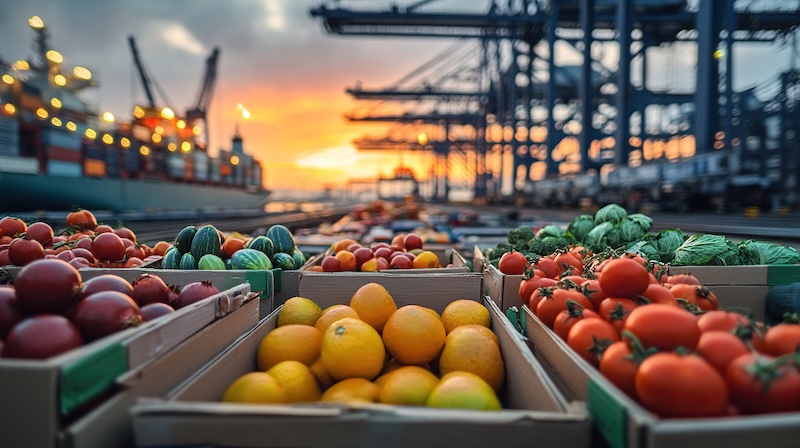
Strengthen Your Ingredient Sourcing Strategy With Forward Warehousing
Supply chain instability creates operational pressure, financial strain, and compliance risk. Therefore, forward warehousing provides a proactive solution that positions inventory closer to production and reduces ingredient sourcing volatility. When we implement structured forward inventory programs, manufacturers gain stronger lead time control and improved production continuity.
At One Source Food Solutions, we design forward warehousing strategies that align with regulatory requirements, supplier reliability metrics, and national freight realities. Moreover, we integrate distributed inventory planning into broader sourcing oversight to reduce exposure before disruption affects output.
If your production schedule faces ingredient delays, rising freight costs, or unpredictable supplier performance, now is the time to evaluate a forward warehousing model. We assess your sourcing exposure, identify risk concentration points, and recommend structured inventory placement that strengthens operational stability.
Contact One Source Food Solutions today to discuss how forward warehousing can protect your ingredient sourcing program and support confident, compliant growth across your supply chain.