
Aseptic processing is a food manufacturing method that sterilizes both the product and its packaging separately before sealing them in a sterile environment, allowing shelf stable foods to remain safe without added preservatives. Under the FDA Food Safety Modernization Act preventive controls framework, manufacturers must implement validated processes to reduce microbial risks in commercially distributed food products. This regulatory standard makes aseptic processing a critical strategy for brands seeking extended shelf life while maintaining food safety and clean label transparency.
At One Source Food Solutions, we work with food brands, co packers, and distributors nationwide to identify qualified aseptic processing partners and build resilient supply chains. As consumer demand for preservative free shelf stable products continues to rise, companies must balance microbial control, packaging integrity, and ambient distribution efficiency. Aseptic processing and ultra high temperature systems provide that balance. If your brand is evaluating sterile packaging or extended shelf life manufacturing solutions, contact One Source Food Solutions today to discuss how we can help you source, scale, and strengthen your production strategy with confidence.

Why National Food Brands Depend on Aseptic Processing for Compliance and Risk Control
Aseptic processing supports more than extended shelf life. It directly impacts regulatory compliance, microbial safety, packaging validation, and national distribution strategy. As food brands scale across state lines, they must control contamination risk while maintaining preservative free formulations. Therefore, validated aseptic processing systems strengthen both operational reliability and brand protection.
Moreover, Google Ads performance improves when content aligns precisely with search intent. Decision makers searching for aseptic processing solutions want compliance clarity, supplier evaluation criteria, and risk reduction insights. We address those priorities directly. As a result, this section reinforces both keyword relevance and commercial credibility.
How Federal Food Safety Regulations Shape Aseptic Processing Standards
Federal oversight defines how aseptic processing facilities must validate sterility. Manufacturers must document ultra high temperature treatment parameters, sterile packaging controls, and microbiological testing results. Consequently, compliance frameworks directly influence co packing selection and sourcing decisions.
The USDA Food Safety and Inspection Service regulatory guidance outlines sanitation controls, hazard analysis requirements, and preventive measures for food manufacturing. These federal standards require traceability systems, environmental monitoring programs, and documented corrective actions. Therefore, brands sourcing aseptic production must confirm that facilities meet or exceed these expectations.
We support that evaluation process. Through our structured sourcing model, we help companies identify compliant partners across national networks. Additionally, we guide brands through supplier transparency review using our strategic sourcing and procurement services to reduce operational blind spots before scaling distribution.
Critical Due Diligence When Selecting an Aseptic Processing Partner
Aseptic processing equipment alone does not guarantee compliance. Instead, operational discipline determines long term stability. Therefore, supplier vetting must examine validation documentation, production controls, and risk mitigation systems.
Sterilization Validation and Ultra High Temperature Controls
Ultra high temperature processing requires precise time and temperature validation. Facilities must demonstrate microbial lethality through documented studies. Furthermore, they must maintain calibration logs and continuous monitoring systems to confirm consistent performance.
Without validated sterilization data, extended shelf life claims weaken. Consequently, brands must request documented process authority approvals and shelf life validation studies before contracting production.
Environmental Monitoring and Clean Room Protocols
Sterile filling environments demand ongoing environmental monitoring. Facilities must track airborne particulates, surface contamination, and sanitation compliance. Additionally, they must maintain written corrective action plans for deviations.
Environmental controls directly affect preservative free shelf stability. Therefore, we evaluate clean room design, employee training procedures, and sanitation audit records during supplier assessments.
Packaging Integrity and Distribution Stress Testing
Aseptic processing depends on hermetic seals and packaging durability. Cartons, pouches, and bottles must withstand ambient transport and warehouse storage conditions. Facilities should perform seal integrity testing and accelerated shelf life simulations.
Packaging validation reduces risk during national distribution. It also supports brand credibility with retail partners. As a result, packaging verification becomes a core sourcing consideration rather than an afterthought.
How Aseptic Processing Reduces Liability Exposure Across National Supply Chains
As distribution expands, so does potential exposure. Food safety incidents can disrupt operations, damage brand trust, and increase regulatory scrutiny. Therefore, preventive control systems must operate consistently across all production lots.
Aseptic processing reduces contamination risk by eliminating microorganisms prior to sterile packaging. Additionally, ambient storage lowers dependency on refrigerated transport, which can introduce temperature control failures. This operational stability strengthens quality assurance documentation and traceability.
The FDA Preventive Controls for Human Food guidance outlines requirements for hazard analysis and risk based preventive controls. These standards emphasize verification, monitoring, and corrective action protocols. Consequently, brands must ensure that aseptic partners maintain documented compliance with these federal expectations.
We assist companies by coordinating supplier audits, reviewing sterilization summaries, and identifying compliance gaps before production contracts finalize. While no manufacturing system eliminates risk entirely, structured sourcing dramatically improves decision making and long term stability.
Strengthening Google Ads Relevance Through High Intent Aseptic Processing Content
High performing Google Ads campaigns require tight alignment between search queries and landing page content. Decision makers searching for aseptic processing services expect clarity regarding compliance, sterile packaging systems, and extended shelf life validation. Therefore, this content directly addresses those commercial priorities.
We intentionally incorporate semantic keyword depth such as ultra high temperature treatment, sterile packaging technology, shelf stable food manufacturing, and preventive controls compliance. However, we maintain natural readability to support user engagement and Helpful Content signals.
At One Source Food Solutions, we focus on measurable supply chain improvement. Through our food sourcing and supply chain optimization solutions, we help brands identify qualified aseptic co packers, verify regulatory documentation, and align production with national distribution goals. If your organization is evaluating aseptic processing to reduce preservatives and strengthen compliance, we encourage you to connect with our team to discuss your sourcing strategy.
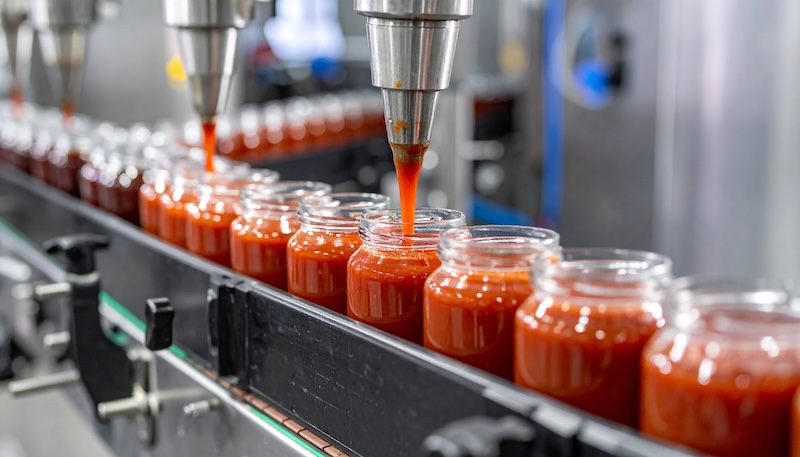
How Ultra High Temperature Treatment Powers Aseptic Processing for Shelf Stable Foods
Ultra high temperature treatment forms the scientific backbone of aseptic processing. Manufacturers heat liquid food products to precise temperatures for tightly controlled time intervals. Then, they cool the product rapidly before transferring it into sterile packaging. This sequence enables shelf stable food production without preservatives while maintaining regulatory compliance and product safety.
Because aseptic processing directly affects microbial lethality and extended shelf life, decision makers must understand how ultra high temperature systems function. Therefore, brands evaluating aseptic food manufacturing should assess process validation, thermal controls, and documentation standards before scaling distribution.
What Happens During Ultra High Temperature Processing in Commercial Aseptic Systems
Ultra high temperature processing uses short time thermal exposure to destroy harmful microorganisms. Facilities apply validated temperature curves designed to achieve commercial sterility. Consequently, the process reduces spoilage organisms and pathogens that would otherwise limit shelf life.
According to the US Food and Drug Administration guidance on thermally processed foods, manufacturers must validate time and temperature parameters for low acid foods packaged in hermetically sealed containers. These standards directly influence aseptic processing documentation and preventive control programs.
We evaluate whether suppliers maintain process authority approvals and continuous monitoring systems. Without documented validation, extended shelf life claims may lack regulatory support.
Why Precise Time and Temperature Control Determines Preservative Free Shelf Stability
Ultra high temperature treatment requires precision. Excessive heat can degrade sensory qualities. Insufficient heat can compromise microbial destruction. Therefore, aseptic processing systems rely on automated control mechanisms and calibrated instrumentation.
Thermal Lethality and Microbial Reduction Requirements
Thermal lethality calculations determine whether aseptic processing achieves the required log reduction of target organisms. Facilities must record and verify these parameters for every production run. Additionally, they must retain documentation for regulatory review.
We guide brands through supplier documentation analysis to confirm validated lethality studies. This review strengthens confidence before entering national retail or foodservice markets.
Rapid Cooling and Quality Retention in Ultra High Temperature Processing
Rapid cooling follows thermal treatment. This step prevents overprocessing and protects flavor, texture, and nutritional value. Consequently, aseptic processing supports clean label positioning and extended ambient storage.
Manufacturers must also conduct stability studies under real world conditions. These studies confirm that ultra high temperature treated products maintain safety and quality over time. Therefore, shelf life testing becomes a critical evaluation factor during supplier selection.
Operational Readiness Factors That Influence Aseptic Processing Scalability
Scaling aseptic processing requires more than equipment capacity. Brands must assess production throughput, sterile packaging speed, and traceability systems. Therefore, sourcing decisions should integrate operational and compliance analysis.
When evaluating aseptic processing partners, we examine:
- Continuous temperature monitoring and automated controls
- Preventive maintenance programs for thermal systems
- Redundant sterilization components to prevent downtime
- Integrated lot traceability across distribution channels
- Documented corrective action procedures
These operational controls directly affect extended shelf life reliability. Moreover, they influence commercial risk exposure and retail acceptance standards.
We support brands through our food sourcing strategy services by aligning supplier capability with product formulation, packaging format, and distribution goals. Through structured evaluation, we help companies reduce uncertainty before committing to large scale production.
How Ultra High Temperature Systems Enhance Supply Chain Stability
Aseptic processing combined with validated ultra high temperature treatment reduces reliance on refrigeration. Therefore, brands gain flexibility in warehousing and transport logistics. Ambient stable distribution also reduces spoilage risk during transit disruptions.
However, shelf stable food manufacturing still demands disciplined oversight. Facilities must maintain environmental controls, packaging integrity verification, and ongoing compliance monitoring. While no system eliminates operational risk entirely, validated aseptic processing significantly strengthens supply chain resilience.
At One Source Food Solutions, we work with national brands to evaluate aseptic manufacturing partners based on documented compliance, thermal validation, and packaging performance. If your organization is exploring ultra high temperature processing to eliminate preservatives and expand shelf life, we encourage you to connect with our team to review sourcing considerations and production strategy alignment.
Partner With One Source Food Solutions for Reliable Aseptic Processing Sourcing
Aseptic processing can extend shelf life without preservatives, but the sourcing strategy behind it determines long term success. Ultra high temperature validation, sterile packaging integrity, and regulatory compliance must align before production scales. Therefore, brands should evaluate manufacturing partners carefully before entering national retail or foodservice distribution.
At One Source Food Solutions, we help food brands navigate aseptic processing decisions with structure and clarity. We assess supplier documentation, review thermal validation standards, and coordinate sourcing strategies that support extended shelf life goals. Moreover, we align production capability with distribution planning so your shelf stable products reach market with confidence.
If your company is exploring aseptic processing, ultra high temperature treatment, or preservative free shelf stable manufacturing, now is the time to evaluate your sourcing approach. Contact One Source Food Solutions today to discuss how we can support your aseptic processing strategy and strengthen your supply chain for long term growth.